
An evidence-based look at cupping therapy, its traditional Chinese medicine origins, and its role in modern musculoskeletal care.
October 11, 2026 | By Dr. Daniel Rola, DTCM, L.Ac.
What Is Cupping Therapy?
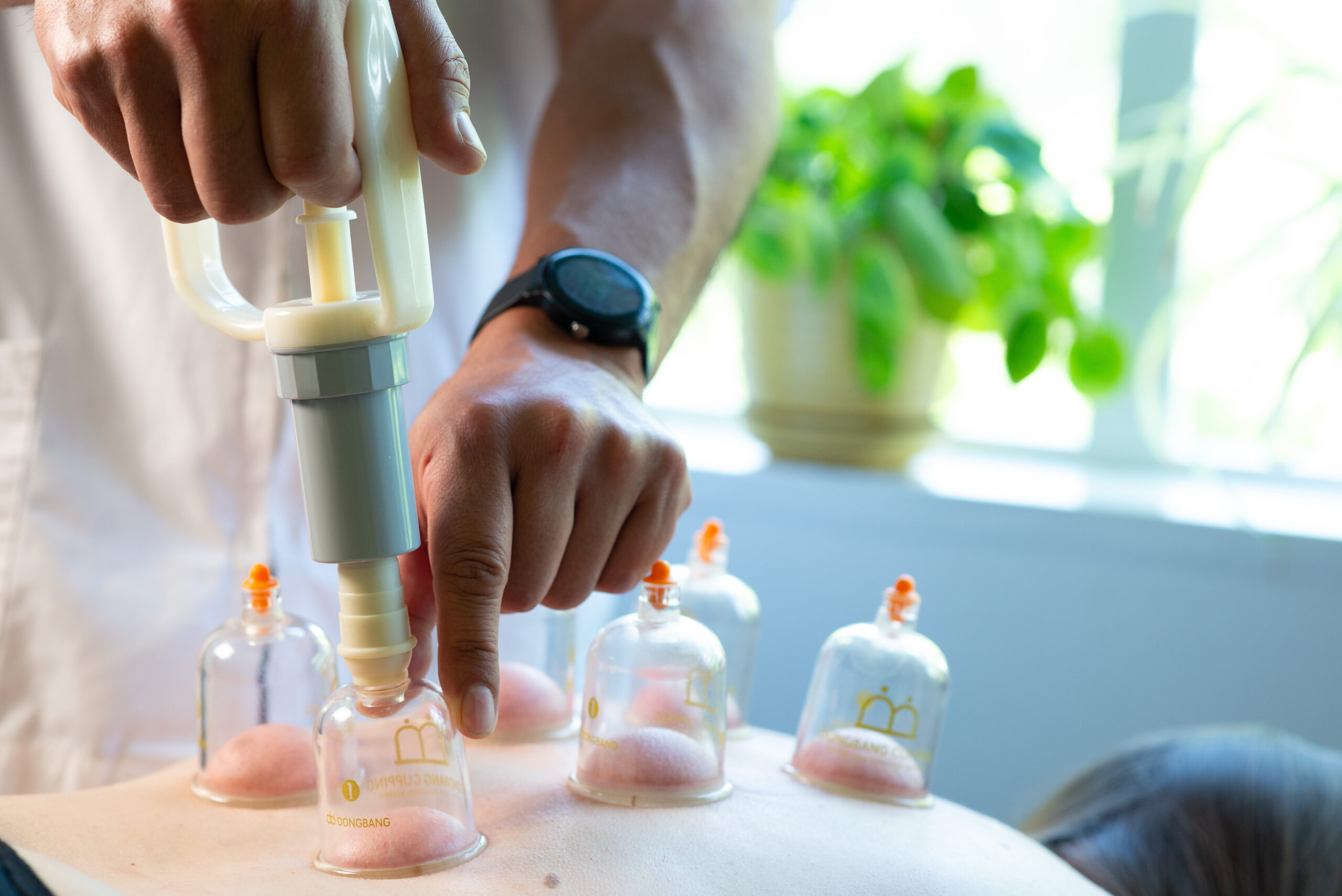
Cupping has been used for centuries in traditional Chinese medicine to address pain and muscular tension. Cups applied to the skin create suction, lifting and mechanically stimulating superficial tissues. At Santa Cruz Acupuncture Orthopedics & Sports Medicine Clinic, dry cupping may be included in individualized care for neck pain, back pain, and other musculoskeletal complaints.
Modern research offers cautiously encouraging results for short-term pain relief, but does not establish lasting functional improvements or accelerated tissue healing.
How Does Cupping Work?
Traditional Chinese Medicine
Traditional Chinese medicine describes cupping as promoting the movement of qi and blood and addressing stagnation along channels and collaterals. This is a traditional explanatory framework, not a mechanism confirmed by modern biomedical research.
Contemporary Explanations
Potential mechanisms include mechanical stimulation of skin and superficial tissues, local vascular responses, sensory input, and altered pain perception. These physiological hypotheses are still being investigated and do not by themselves prove clinical benefit.
What Is Active Cupping?
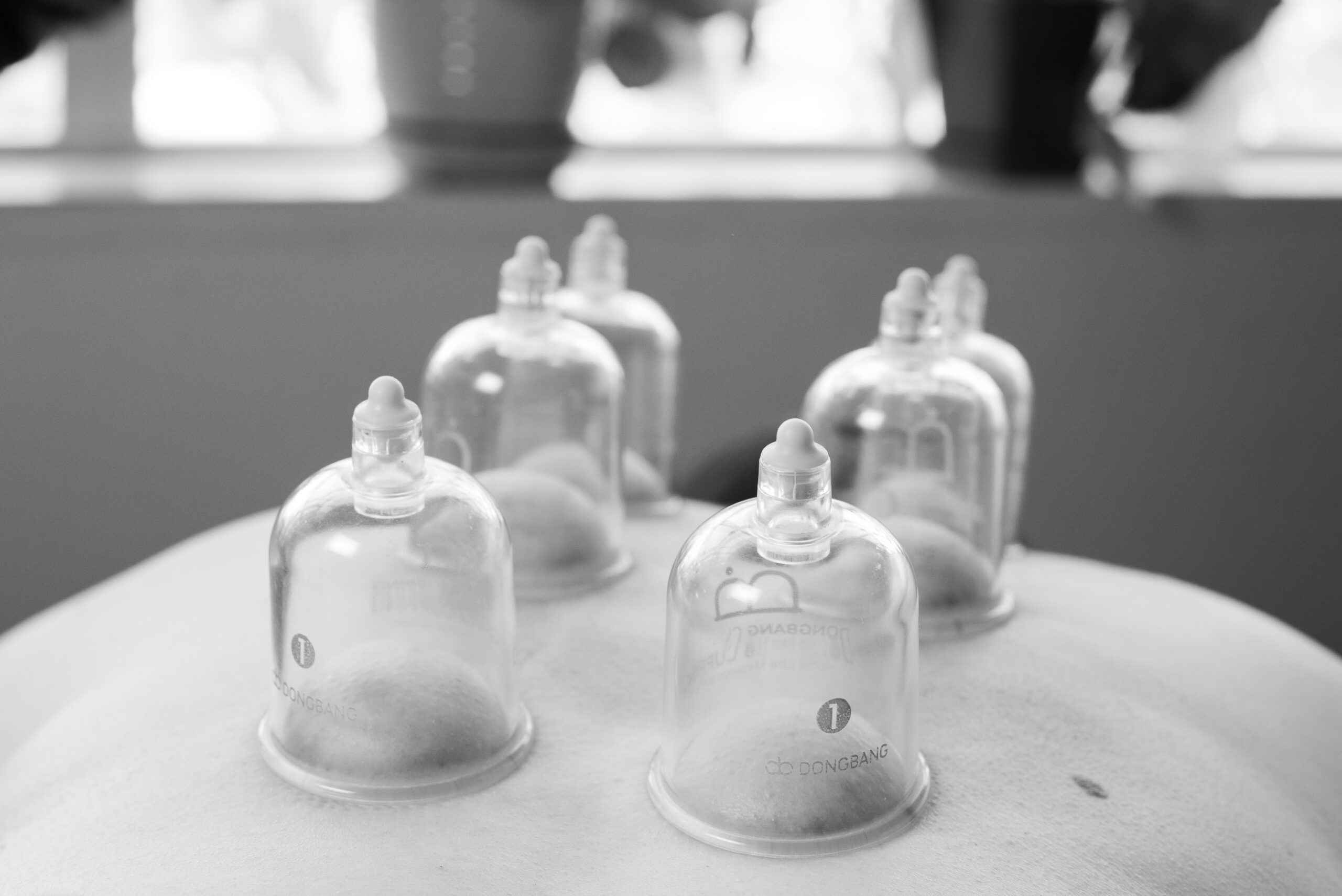
Active cupping combines suction cups with gentle movement of the area being treated. Instead of remaining still, you move while the cups stay in place, with guidance from your clinician. This approach involves moving the muscles, fascia (connective tissue around muscles), and joints during treatment.
The aim is to make movement more comfortable and support participation in rehabilitation. Traditional descriptions of cupping refer to moving qi and blood; these belong to a traditional medical framework rather than a clinically proven explanation. Similarly, descriptions of “releasing” trigger points or adhesions should not be taken as proof that cupping removes knots or breaks up scar tissue.
Research on cupping in general suggests possible short-term pain relief, but that does not establish that active cupping works better than cupping without movement or exercise alone. Rapid, lasting reductions in trigger-point pain or adhesions, durable flexibility gains, and faster injury recovery should not be promised. Any benefit should be assessed by how comfortably you move and function, and whether improvement lasts.
If active cupping is included in your care, movements should stay within a comfortable range and be adjusted or stopped if they cause pain or skin irritation. It is an optional addition to an individualized plan that may include therapeutic exercise and progressive strengthening, rather than a replacement for rehabilitation. The safety considerations below also apply.
What Does the Research Say?
Chronic Musculoskeletal Pain
A 2025 systematic review by Jia and colleagues in BMJ Open found lower pain intensity with cupping (standardized mean difference −1.17). The authors found no statistically significant benefit for functional disability or mental health, and pain results varied greatly across studies (I² = 94%). The substantial heterogeneity makes the average effect difficult to apply to an individual patient.
Low Back Pain
A 2024 systematic review by Zhang and colleagues pooled 11 randomized trials examining cupping for low back pain. Pain outcomes generally favored cupping at the end of treatment, but varied by pain presentation, cupping technique, comparison treatment, and follow-up duration. Evidence for a dependable lasting effect remains uncertain.
Chronic Neck Pain
Wood and colleagues’ 2020 systematic review included 21 randomized trials involving 1,049 participants. It reported low-quality evidence of pain reduction in chronic neck and low back pain, moderate-quality evidence for improved functional status in chronic neck pain, and low-quality evidence for range-of-motion effects. Study limitations prevent definitive conclusions about effectiveness and safety.
Knee Osteoarthritis
A 2017 review by Li and colleagues identified seven randomized trials, most with low methodological quality. Adding cupping to conventional treatment improved some WOMAC pain, stiffness and function scores, but did not significantly improve pain on a separate visual analog scale. Cupping should not replace strengthening, appropriate activity, or established osteoarthritis care.
Can Cupping Speed Sports Recovery?
Athletes sometimes use cupping for soreness or tightness, but convincing clinical evidence that it accelerates tissue healing, prevents injury, improves performance, or shortens athletic recovery is lacking. If cupping relieves symptoms, it is best viewed as an optional adjunct to progressive rehabilitation, sleep, nutrition, and activity management.
What Are the Circular Marks?
The circular discoloration sometimes seen after cupping reflects local vascular changes, including superficial bruising or petechiae, and generally fades over days. The marks do not demonstrate that toxins have been removed. There is no convincing clinical evidence that cupping detoxifies the body or boosts immune function.
Is Cupping Safe?
Dry cupping is generally tolerated when performed by a trained clinician, but can cause soreness, discoloration, bruising, skin irritation, blisters, burns, or rarely infection. It should not be applied over damaged or infected skin or suspected thrombosis. Clinicians should exercise extra caution with patients who have bleeding disorders or take anticoagulants. Wet cupping, which breaks the skin, has additional infection and blood-loss risks.
How Cupping Fits Into Orthopedic Care
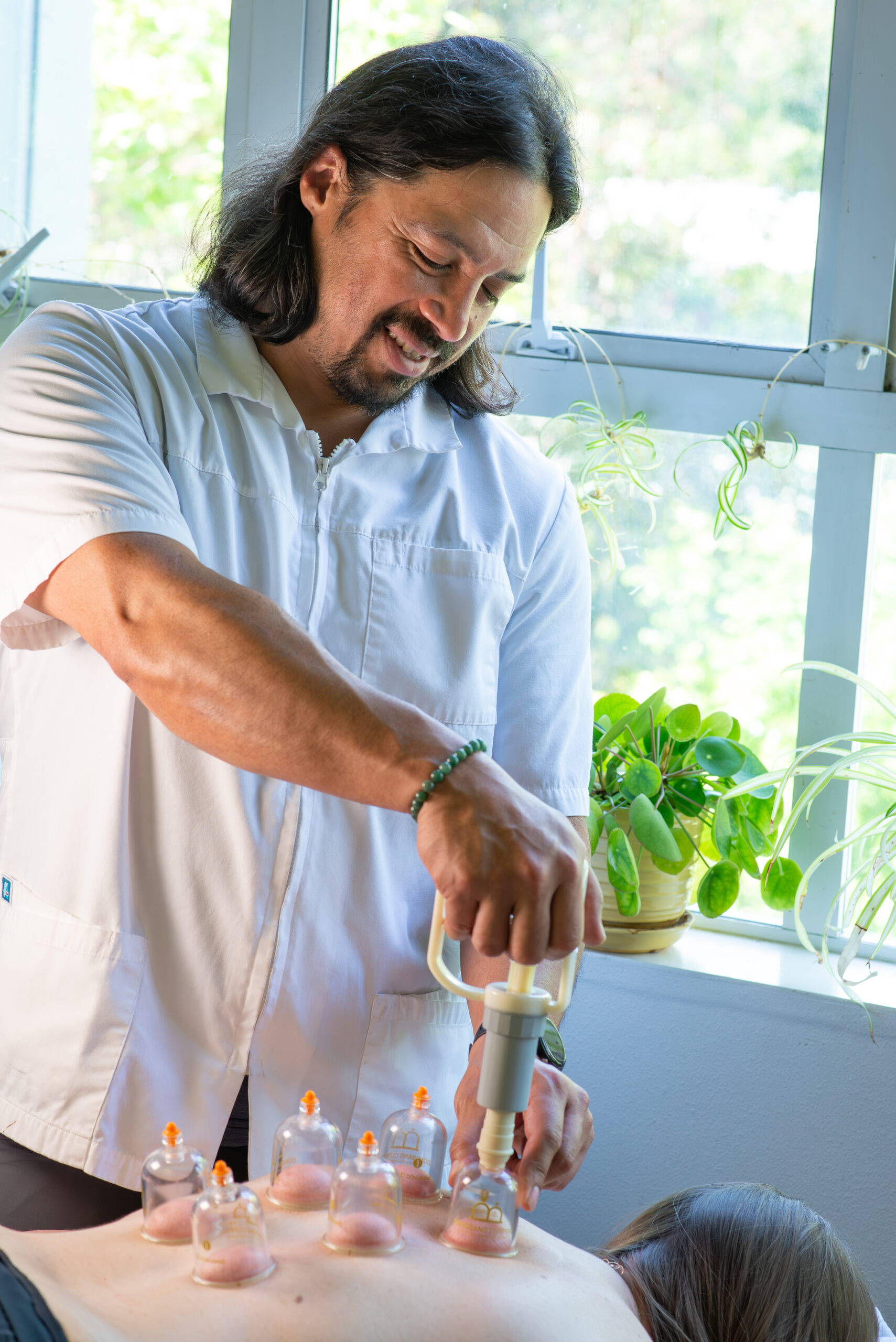
At our clinic, cupping is considered selectively alongside orthopedic acupuncture, manual therapy, therapeutic exercise, progressive strengthening, and return-to-activity planning. It is not necessary for every patient, and research has not established that adding cupping consistently produces better outcomes than these other approaches alone.
We assess benefits in terms of pain, movement, function, personal goals, and how long improvement lasts. The goal is to help patients return to the activities they enjoy—not just to provide temporary symptom relief.
The Bottom Line
Some research supports short-term pain relief from cupping, particularly for chronic neck and low back pain, but the studies have meaningful limitations. Evidence does not establish detoxification, enhanced healing, improved immunity, or faster athletic recovery. Used selectively and safely, cupping may complement individualized musculoskeletal treatment.
Get Back to What You Love
For individualized care for pain, injury recovery, and return to surfing, cycling, hiking, and everyday activities, visit scacuortho.com to learn more or request an appointment.
Dr. Daniel Rola, DTCM, L.Ac.
Santa Cruz Acupuncture Orthopedics & Sports Medicine Clinic
303 Potrero Street, Building 42, Suite 306
Santa Cruz, CA 95060
Get back to what you love.
Research References
- Jia Y, et al. Effects of cupping therapy on chronic musculoskeletal pain and collateral problems: a systematic review and meta-analysis. BMJ Open. 2025;15:e087340. doi:10.1136/bmjopen-2024-087340.
- Zhang Z, et al. The effectiveness of cupping therapy on low back pain: a systematic review and meta-analysis of randomized control trials. Complement Ther Med. 2024;80:103013. doi:10.1016/j.ctim.2024.103013.
- Wood S, Fryer G, Tan LLF, Cleary C. Dry cupping for musculoskeletal pain and range of motion: a systematic review and meta-analysis. J Bodyw Mov Ther. 2020;24:503–518. doi:10.1016/j.jbmt.2020.06.024.
- Li JQ, et al. Cupping therapy for treating knee osteoarthritis: the evidence from systematic review and meta-analysis. Complement Ther Clin Pract. 2017;28:152–160. doi:10.1016/j.ctcp.2017.06.003.
This article is for education and does not replace individualized medical assessment or advice.