

New recommendations from the American Academy of Pain Medicine emphasize staying active, avoiding unnecessary imaging, and considering non-drug treatments for acute low back pain.
By Santa Cruz Acupuncture Orthopedics & Sports Medicine Clinic | October 9, 2026
Whether you’re a mountain biker, surfer, runner, or simply someone who spends long hours at a desk, back pain can interrupt the activities you enjoy most.
A sudden episode of low back pain can be alarming. It may make bending, sitting, walking, or even getting out of bed uncomfortable. Understandably, many people wonder whether they need an MRI, medication, or complete rest.
Fortunately, new clinical guidelines reinforce a more encouraging message: most episodes of acute low back pain improve over time, and conservative, movement-focused care can play an important role in recovery.
In 2026, the American Academy of Pain Medicine (AAPM) released updated multidisciplinary guidelines for evaluating and treating acute low back pain. Developed through a systematic review of clinical evidence, the recommendations emphasize individualized treatment, appropriate activity, and nonpharmacological options, including acupuncture.
What Is Acute Low Back Pain?
Acute low back pain refers to pain that has been present for less than six weeks.
It may begin after lifting something heavy, exercising, working in the garden, or making an unfamiliar movement. Sometimes there is no obvious injury or triggering event.
Symptoms can include:
- Aching, stiffness, or muscle tightness in the lower back
- Sharp pain with certain movements
- Difficulty bending, standing, or transitioning between positions
- Pain extending into the buttocks or legs
- Reduced confidence in everyday physical activities
Although these symptoms can be uncomfortable, pain intensity does not always indicate the severity of tissue damage.
The first step is an appropriate clinical assessment to identify potentially serious conditions, evaluate neurological symptoms, and determine the most suitable treatment approach.
What Do the New Guidelines Recommend?
The AAPM guideline draws on a systematic review of 105 studies and emphasizes patient-centered, evidence-based decisions.
Several important principles emerge.
1. Keep Moving Whenever Possible
One of the most important recommendations is to maintain appropriate physical activity rather than defaulting to prolonged bed rest.
Gentle walking, comfortable movement, and gradual participation in daily activities can help preserve mobility and confidence.
This doesn’t mean pushing through severe pain or immediately returning to demanding exercise. Instead, activity should be adjusted according to symptoms and individual tolerance.
For athletes and active adults, the goal is to maintain as much comfortable movement as possible while progressively restoring normal function.
2. An MRI Isn’t Always Necessary
Back pain does not automatically require imaging.
For uncomplicated acute low back pain, routine early MRI or X-rays often do not improve treatment decisions or outcomes.
Imaging becomes more important when there are concerning neurological findings, suspected serious pathology, significant trauma, or other clinical warning signs.
A careful examination helps determine when additional medical evaluation is necessary.
3. Consider Non-Drug Treatment Options
The new guideline recognizes the value of evaluating nonpharmacological approaches as part of an individualized treatment plan.
Depending on the patient, these may include acupuncture, manual therapies, appropriate exercise, and other conservative interventions. AAPM lists acupuncture, exercise-based physical therapy, and spinal manipulation or mobilization as options when symptoms are worse or unchanged after one to two weeks of initial self-management.
These treatments are not interchangeable, and none is guaranteed to work for everyone. The objective is to select reasonable interventions based on the patient’s symptoms, goals, preferences, and clinical findings.
4. Opioids Generally Should Not Be the First Choice
The guideline discourages routine opioid treatment as an initial approach to uncomplicated acute low back pain.
Instead, it favors careful assessment, education, appropriate activity, and treatment decisions that balance potential benefits and risks.
This is especially relevant for patients who want to manage their symptoms while minimizing unnecessary medication exposure.
Where Does Acupuncture Fit In?
Acupuncture is among the conservative treatments considered in contemporary low back pain guidelines.
Research suggests that acupuncture may provide short-term improvements in pain and function for some patients, although the size of benefit varies and evidence remains limited for some outcomes.
Importantly, acupuncture is not presented as a universal replacement for exercise, medical assessment, or rehabilitation.
At Santa Cruz Acupuncture Orthopedics & Sports Medicine Clinic, our approach is to consider the relationship between symptoms, movement limitations, physical activity, and the patient’s goals.
For someone experiencing an acute episode of back pain, treatment may involve orthopedic acupuncture alongside education about movement, temporary activity modification, and a gradual return to normal activities.
The objective isn’t simply to reduce pain. It’s to help patients restore movement, confidence, and the ability to participate in everyday life.
What About Sciatica or Pain Traveling Down the Leg?
Low back pain may sometimes be accompanied by symptoms traveling into the buttock or leg, including tingling, numbness, or weakness.
These symptoms can suggest irritation or involvement of a spinal nerve.
The new AAPM guideline includes acute low back pain with or without radiculopathy, but these presentations require careful evaluation.
Progressive muscle weakness, new bladder or bowel dysfunction, numbness around the groin or saddle region, or other concerning neurological symptoms warrant urgent medical attention.
For less severe cases, an individualized conservative management plan may be appropriate after clinical assessment.
Getting Back to the Activities You Love
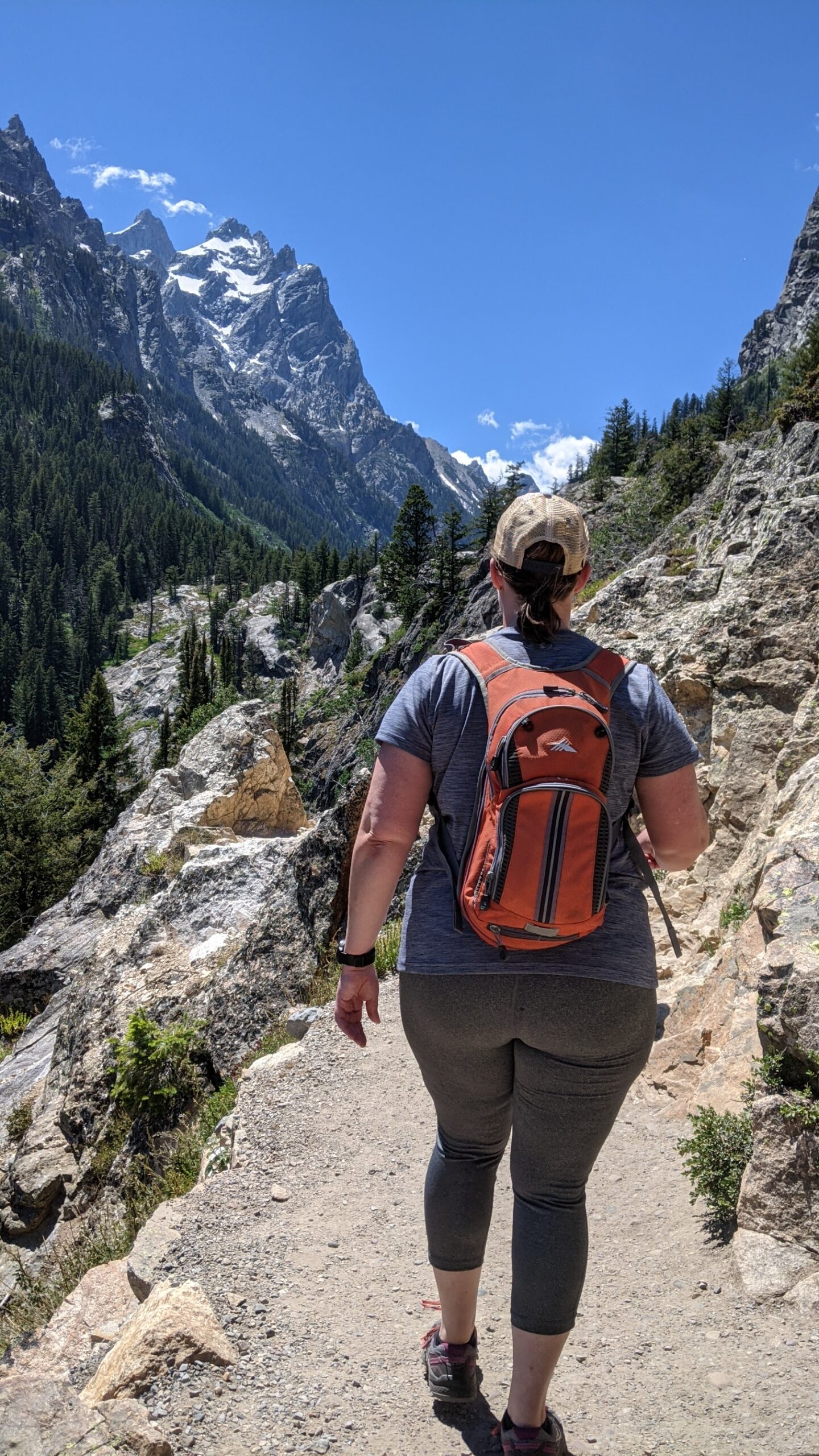
For active people in Santa Cruz, successful recovery means more than being comfortable while resting.
It means being able to paddle into a wave, climb a hill on a mountain bike, enjoy a trail run, lift your child, or work without persistent discomfort.
That is why treatment should consider the physical activities that matter most to each patient.
A surfer may need to restore comfortable spinal extension and rotation. A mountain biker may need to tolerate prolonged hip flexion and repeated impact. Someone working at a desk may need strategies for varying posture and building tolerance for prolonged sitting.
Although their symptoms may overlap, their functional demands are different.
A thoughtful treatment plan takes those differences into account.
When Should You Seek Care?
Consider a clinical evaluation if back pain is limiting your daily activities, interfering with sleep or mobility, radiating into your legs, or failing to improve.
Seek prompt medical attention for significant trauma, fever or signs of infection, or concerning neurological symptoms. New bladder or bowel dysfunction, saddle numbness, or progressive leg weakness require emergency evaluation.
For most uncomplicated episodes, recovery can begin with appropriate movement, education, and conservative management.
Our Approach: Evidence-Informed Orthopedic Acupuncture
At Santa Cruz Acupuncture Orthopedics & Sports Medicine Clinic, we focus on helping active people manage musculoskeletal pain, recover from injuries, and return to meaningful physical activity.
Our clinical approach incorporates orthopedic assessment, acupuncture, and individualized treatment planning, with referrals or coordination with other healthcare professionals when appropriate.
The latest guidelines reinforce an important principle: effective back pain care doesn’t always require aggressive intervention.
Sometimes the most valuable approach is a well-informed combination of appropriate movement, symptom management, and gradual return to activity.
Ready to Get Back to What You Love?
If acute or recurring low back pain is keeping you from your favorite activities, we’re here to help you explore your treatment options.
Santa Cruz Acupuncture Orthopedics & Sports Medicine Clinic
303 Potrero Street, Building 42, Suite 306
Santa Cruz, CA 95060
Visit scacuortho.com to request an appointment
Get back to what you love.
Research and References
- Skelly AC, et al. (2026). Assessment and Treatment of Acute Low Back Pain: A Multidisciplinary Clinical Practice Guideline. Pain Medicine. https://doi.org/10.1093/pm/pnag110
- Skelly AC, et al. (2026). Assessment and Treatment of Acute Low Back Pain (ALBP): A Systematic Review. Pain Medicine. https://doi.org/10.1093/pm/pnag131
- American Academy of Pain Medicine. (October 5, 2026). New Acute Low Back Pain Guideline and Systematic Review. https://www.painmed.org/news/acute-low-backpain-guideline-systematic-review-available
This article is provided for general educational purposes and is not a substitute for individualized medical assessment or treatment.